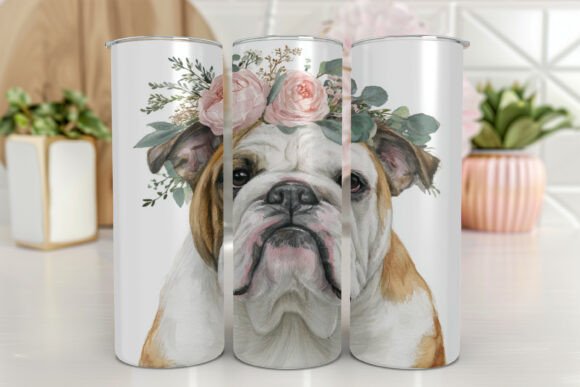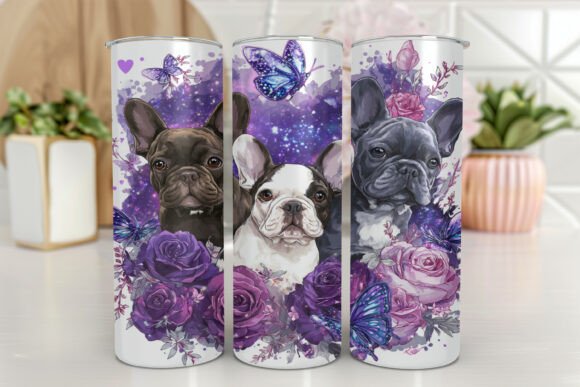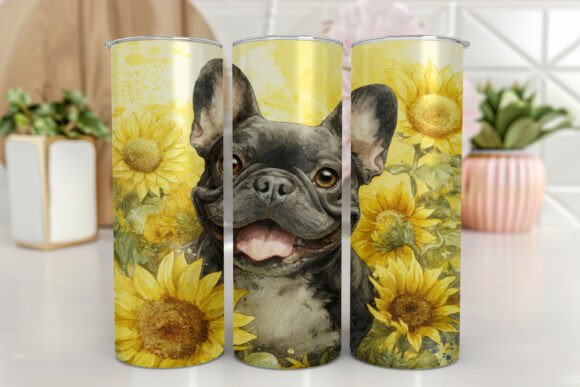
Bulldog Mama 20 Oz Skinny Tumbler Design Review
As a designer who spends more time staring at stitch maps than most people spend watching TV, I approach every new digital embroidery file with a healthy dose of skepticism. We have all been there: you buy a cute graphic, load it onto your machine, and halfway through the run, you realize the density is going to turn your fabric into cardboard or the tiny details are going to disappear into a blob of thread. That is why I took a close look at the Bulldog Mama 20 Oz Skinny Tumbler design before committing it to a client project. This isn't just about whether it looks good on a screen; it is about how it performs as a machine embroidery design in the real world.
First Impressions and Visual Personality
When I first pulled the files from the .zip archive, my immediate thought was about the intended application versus actual usage. The product description labels this under Tumbler Wraps and Graphics, specifically sized at 9.3″ x 8.2″ for a 20oz straight skinny tumbler. However, as an embroiderer, I see potential beyond sublimation blanks. The layout suggests a bold, central motif that screams "personality." The "Bulldog Mama" theme carries a specific mood—it is protective, fierce, yet undeniably sweet. This duality makes it a strong candidate for handmade products that need to convey emotion quickly.
The high resolution of 300 DPI in the source files usually translates well when digitizing or adapting for stitch, provided the original lines are clean. For a design of this scale, the visual weight is significant. It is not a subtle accent; it is a statement piece. In a retail setting or an Etsy seller's shop, this kind of clear, thematic branding stops the scroll. It tells the customer exactly who this item is for without them having to read a description.
Real-World Application Scenarios
Let's move away from the theoretical and talk about where this actually works. While the file is marketed for tumblers, I decided to test the concept mentally against a sweatshirt embroidery project. Imagine a heavy-weight, cream-colored fleece hoodie. Placing this design large on the back or centered on the chest creates an instant custom apparel bestseller. The "Mama" aspect ties perfectly into the current trend of family-matching sets.
I also considered its viability for a tote bag design. A canvas tote with this embroidered graphic would be a fantastic personalized gift for a dog park meetup or a veterinary clinic appreciation present. Because the design area is substantial (over 9 inches wide), it fills the space on a standard tote beautifully without looking lost. For small shop products, this versatility is gold. You aren't limited to one niche; you can pivot from drinkware to wearables depending on your inventory needs.
For those running a craft business, think about holiday embroidery. With Mother's Day or Christmas approaching, adapting this theme onto a kitchen towel or a decorative pillow cover could expand your seasonal catalog. The key here is the emotional connection. People buy things that reflect their identity, and being a "Bulldog Mama" is a huge part of many owners' identities.
Technical Considerations for Stitching
Now, let's get into the nitty-gritty of execution. If you are adapting this graphic for embroidery, or if you are using a pre-digitized version of this concept, you need to be mindful of stitch density. A design meant for print often has solid blocks of color that, when translated to fill stitch, can become too dense. If you are working with a stretchy fabric like a tri-blend tee, excessive density will cause puckering. My advice? Always test on scrap fabric first. Check how the design behaves after washing.
The size of the design (9.3″ x 8.2″) dictates your hoop size requirements. Not everyone has a mega-hoop on their home machine. If you are working with a standard 5x7 or 6x10 hoop, you might need to split the design or scale it down. Scaling down introduces risks, particularly with tiny lettering or fine details in the bulldog's facial features. Satin stitch borders need to be wide enough to hold their shape; if they are too thin, they will fray after a few washes. Running stitch details should be kept minimal on items that will see heavy use, like a baby embroidery project or a frequently washed apron.
Fabric texture plays a massive role here. On a textured waffle knit or a looped towel, fine details can get swallowed up. This design shines best on smooth, stable fabrics like twill, broadcloth, or high-quality fleece. If you are attempting this on a cap, remember that curved surfaces distort designs. The width of this graphic might be too aggressive for a standard front-panel cap unless you arch it significantly, which requires advanced digitizing skills.
Enhancing Product Value and Brand Trust
Why does any of this matter? Because the quality of your finished product directly impacts customer trust. A sloppy embroidery job with pulled threads or poor registration ruins the aesthetic of even the cutest design. When executed correctly, however, the Bulldog Mama 20 Oz Skinny Tumbler concept elevates a simple garment into a boutique item. It adds perceived value. Customers are willing to pay more for a custom apparel piece that looks professional and feels durable.
For commercial embroidery projects, consistency is key. If you are selling these as design assets or finished goods, ensure your thread colors match the mockup expectations. A printable mockup might show a specific shade of brown or tan, but if your thread chart doesn't have a close match, the final result will disappoint. Use a color chart to verify your thread colors against the digital preview. Proper stabilizer selection is non-negotiable here; a cut-away stabilizer is likely best for a design of this magnitude to prevent sagging over time.
Final Verdict for Makers and Sellers
The Bulldog Mama 20 Oz Skinny Tumbler file is a robust starting point for a variety of creative ventures. While it is sold as a graphic for tumblers, its true potential lies in the hands of a skilled maker who can translate that visual energy into thread. Whether you are creating an embroidered patch to sell at a craft fair or personalizing a holiday gift for a friend, the design holds up well conceptually.
Just remember to do your homework. Check the licensing terms included in the download to confirm you can sell finished items. Inspect the small details before you hit start. Test on different backgrounds, especially if you plan to offer this on dark garments where contrast is crucial. By treating this graphic with the respect of a true embroidery project, you can create items that not only look great but stand the test of time and wear. That is the difference between a hobbyist attempt and a professional small shop product that builds a loyal following.