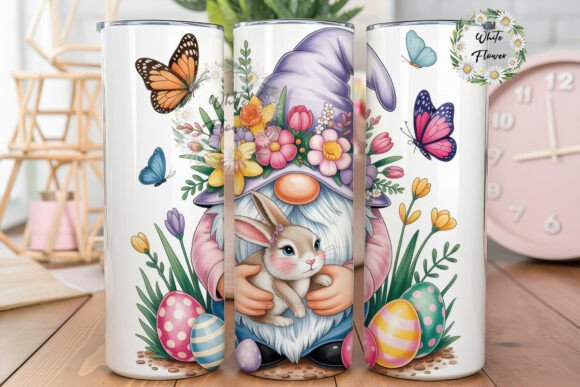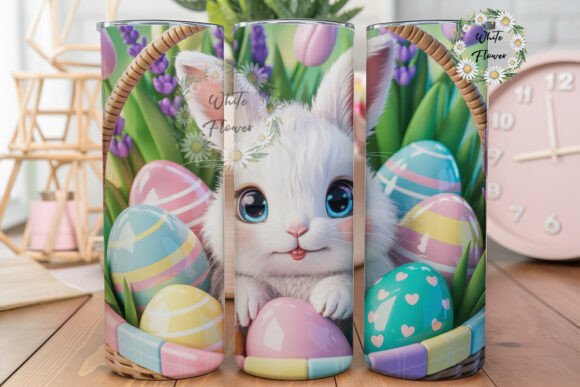
Cute Easter Bunny Basket 20oz Tumbler Review
As a designer who spends more time at the hoop than away from it, I approach every new machine embroidery design with a mix of excitement and skepticism. We have all seen those digital files that look perfect on a screen but turn into a thread-breaking nightmare once the needle hits the fabric. Today, I am taking a close look at the Cute Easter Bunny Basket 20oz Tumbler. While the title suggests a specific application for Tumbler Wraps and sublimation, my job is to evaluate how these Graphics translate when we move from digital pixels to physical stitches for real-world projects.
The first thing that strikes me about this file is its mood. It captures that quintessential springtime vibe—whimsical, soft, and inviting. The layout features a classic bunny nestled in a basket, a motif that never really goes out of style for the season. However, the provided specifications note that you will need to size the design to 9.3" x 8.2" using your own image editing software. This is a crucial detail. In the world of embroidery project planning, a graphic of this magnitude is massive for standard home machines but offers incredible potential for large-format commercial work or multi-hoop setups.
Visual Personality and Layout Analysis
When I open a file like Cute Easter Bunny Basket 20oz Tumbler, I am looking for visual balance. The description indicates two distinct files: one straight and one tapered. This tells me the original intent was likely for wrap-around printing on curved surfaces. For an embroiderer, this presents a unique challenge and opportunity. The "tapered" version implies a distortion meant to correct perspective on a cylinder. If you plan to stitch this onto flat goods like a tote bag design or a pillow cover, you must use the "straight" file to avoid weird stretching in your final finished product.
The resolution is listed at 300 DPI, which is excellent for clarity. When converting raster images to stitch files (if you are digitizing it yourself) or using it as a reference for appliqué, high resolution ensures you can see exactly where color changes happen. The design feels dense with character, suggesting it would work beautifully as a centerpiece for a personalized gift. It has enough visual weight to stand alone on a plain sweatshirt or to serve as the main attraction on a boutique apron.
Real-World Application Scenarios
Let's talk about where this actually shines. Imagine a client comes into your craft business asking for a coordinated set of items for a new baby shower or a family Easter photoshoot. This design is perfect for that. Because of its large potential size (up to 9.3 inches), it is ideal for the back of a heavy-weight hoodie or the front panel of a canvas tote.
I recently simulated a project in my head for a local boutique that sells small shop product lines. They wanted something that felt handmade but polished. Using the bunny basket motif as an applique design rather than a full fill stitch could save on thread costs and reduce puckering. By cutting fabric shapes for the basket and the bunny ears and then using a tight satin stitch border, you create texture that flat printing cannot achieve. This adds perceived value to the item, allowing you to charge a premium for what becomes a high-end handmade product.
For Etsy sellers, versatility is key. This graphic could be adapted for various custom apparel items. Think about a denim jacket with the basket stitched on the back, or a series of kitchen towels where the bunny holds different seasonal items. The "non-seamless" nature of the file means it is a contained illustration, making it easy to center on garments without worrying about pattern matching.
Technical Considerations for Stitching
Now, let's get into the nitty-gritty technicalities that separate the amateurs from the pros. The sheer size of this design (9.3" x 8.2") immediately raises flags regarding hoop size. Most standard home machines max out at 5x7 or 6x10 inches. To stitch this at full size, you would need a large-format machine or a strategy to split the design, which can be risky for alignment. If you are scaling it down to fit a standard hoop, you must be incredibly careful with the stitch density.
Small details in the bunny's face or the weave of the basket might become lost if reduced too much. A running stitch that looks crisp at 9 inches might turn into a bird's nest at 3 inches. My advice? Always test the design on scrap fabric first. Do not skip this step. Check how the thread colors contrast against your chosen material. If you are using a dark navy sweatshirt, ensure the bunny's fur color pops; otherwise, the details will vanish.
Fabric choice is another critical factor. This design, with its likely detailed elements, demands stability. Avoid using it on stretchy knits without a robust stabilizer backing. For textured fabrics like terry cloth towels or fleece blankets, consider using a water-soluble topping to prevent the stitches from sinking into the pile. If you attempt this on a curved surface like a cap, be warned: a design of this complexity and width is generally unsuitable for the limited curvature of a standard hat frame. Stick to flat surfaces for the best results.
Enhancing Brand Value and Customer Trust
In the competitive market of commercial embroidery, the quality of your design directly impacts customer trust. A blurry or poorly stitched image tells a customer you don't care about quality. Since Cute Easter Bunny Basket 20oz Tumbler is free of watermarks and offers high resolution, it provides a solid foundation for professional work. When a customer receives a holiday embroidery item that looks crisp and well-executed, they are more likely to return for future orders.
Furthermore, using a cohesive graphic across different products helps with brand consistency. If you sell printable mockup previews to show clients what the final item will look like, having a high-quality source file makes your marketing materials look infinitely better. It allows you to create compelling design assets for your social media, showing off the versatility of your shop.
Final Designer Notes and Recommendations
Before you commit to stitching this on a client's garment, here is my checklist for you:
- Verify Licensing: Even though the file is high-res, always confirm the license terms. Can you sell the physical embroidered item? Can you sell the digital file? Never assume.
- Check Color Contrast: View the image in black and white on your computer. If the details disappear in grayscale, they might get lost in stitching too.
- Assess Density: If you are digitizing this yourself, watch out for dense areas in the basket weave. Too many layers of fill stitch can cause fabric distortion.
- Test on Similar Fabric: If the final product is a thick towel, test on a thick towel. Don't test on cotton and hope for the best on fleece.
- Consider Appliqué: Given the size, breaking this into fabric pieces might yield a cleaner, more professional look than thousands of stitches.
The Cute Easter Bunny Basket 20oz Tumbler is a charming graphic with significant potential for creative entrepreneurs. Whether you are making a one-off baby embroidery piece for a grandchild or stocking up inventory for a spring craft fair, this design offers a festive aesthetic. Just remember, the difference between a good product and a great one lies in the preparation. Respect the limitations of your machine, choose your materials wisely, and let your craftsmanship shine through every stitch.