Hello Summer Watermelon Fruit Tumbler Design Review
As a designer who spends more time at the hoop than away from it, I approach every new digital embroidery file with a mix of excitement and skepticism. We've all been there: you buy a gorgeous graphic online, only to realize once you start digitizing or prepping it that the details are too fine for standard thread, or the layout doesn't translate well to fabric. Today, I'm taking a close look at the Hello Summer Watermelon Fruit Tumbler design. While this asset is marketed primarily as a high-resolution PNG for sublimation on 20oz skinny tumblers, my job is to evaluate its potential beyond the press. Can this vibrant summer graphic hold up as a machine embroidery design for custom apparel and handmade goods? Let's dig into the practical realities of using this file in a real-world craft business.
First Impressions: Mood and Visual Personality
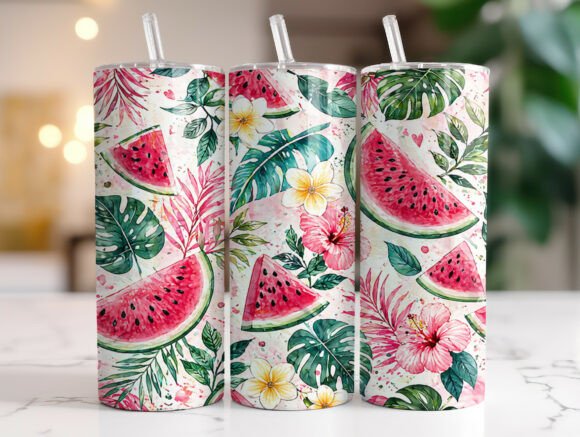
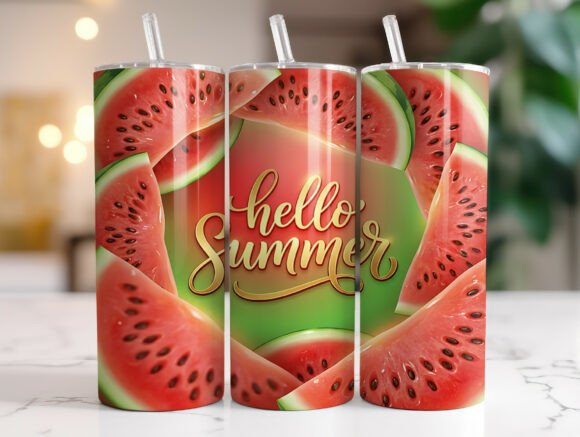
The moment you open the file, the vibe is unmistakable. The Hello Summer Watermelon Fruit Tumbler graphic radiates warmth, playfulness, and that specific kind of relaxed energy we all crave when the temperatures rise. The layout features a bold watermelon motif paired with cheerful typography, creating a composition that feels balanced and inviting. For an embroiderer, the immediate question is about translation. The original file is a 300 DPI PNG sized at 9.3″ x 8.2″, which is substantial. This resolution is excellent for clarity, meaning if you were to use this as a reference for digitizing or as a printed transfer for appliqué, the edges should remain crisp.
The color palette leans heavily into fresh greens, vibrant reds, and clean whites. In the context of thread colors, this suggests a project that will pop against neutral backgrounds like navy, black, or natural canvas. However, the "graphic" nature of the source file means it lacks inherent stitch data. You aren't getting a ready-to-stitch embroidery file out of the box; you are getting a premium visual asset that requires your expertise to convert into satin stitches, fill stitches, or running stitches depending on your machine's capabilities and your desired texture.
Real-World Application: From Screen to Stitch
Let's imagine a realistic scenario. A client walks into your small shop asking for a custom tote bag design for a family beach reunion. They want something fun but durable. The Hello Summer Watermelon Fruit Tumbler graphic is a perfect candidate here, provided you adapt it correctly. Because the original dimensions are nearly 9 inches wide, this design commands space. It wouldn't work well as a tiny chest logo on a polo shirt, but it would shine as a large back print on a sweatshirt embroidery project or a central feature on a market tote.
If you are an Etsy seller looking to expand your summer collection, this graphic offers versatility. You could use it to create iron-on patches by printing the PNG onto specialty paper and then saturating the edges with a tight satin stitch border. Alternatively, for those with advanced digitizing skills, this image serves as an ideal underlay for a complex applique design. Imagine layering red felt for the watermelon flesh and green felt for the rind, using the PNG as your precise cutting template. This approach reduces stitch count and density issues while maintaining the bright, flat colors of the original graphic.
The design also holds promise for holiday embroidery projects, specifically for Fourth of July or end-of-summer labor day gifts. The fruit theme is universal enough to appeal to various demographics, from kids' baby embroidery on bibs (if scaled down significantly) to adult custom apparel. The key is recognizing that the "Tumbler Wraps" origin of this file implies a curved surface optimization. When moving to flat fabrics, you have the freedom to adjust the curvature of the text or the fruit shape to better suit the drape of a t-shirt or the stiffness of a cap.
Navigating Technical Challenges and Fabric Choices
While the visual appeal is strong, we must address the technical hurdles. Since this is a graphics file and not a pre-digitized stitch file, you bear the responsibility of determining stitch density. If you attempt to fill the entire 9.3-inch width with solid satin stitching without proper underlay or splitting the columns, you risk thread breaks and fabric distortion. This is especially critical on stretchy fabrics like jersey knits or thin materials like lightweight linen.
For textured fabrics, such as waffle weave kitchen towels or looped terrycloth, the fine details in the watermelon seeds or the lettering serifs might get lost. In these cases, I recommend simplifying the design. Focus on the silhouette of the watermelon and the main "Hello Summer" text, perhaps omitting smaller decorative elements that could become muddy when stitched. Similarly, if you are working on dark fabric, remember that the original PNG likely has a transparent or white background. You will need to manually add a backing layer or choose thread colors that provide sufficient contrast to ensure the design doesn't disappear into the garment.
Curved surfaces present another challenge. Although the file includes a "Tapered PNG" intended for skinny tumblers, applying this to a baseball cap requires careful hoop placement and possibly warping the design in your digitizing software to compensate for the cap's crown curvature. Ignoring this can result in a finished product where the text looks like it's sliding off the side of the hat.
Enhancing Brand Value and Customer Trust
In the world of commercial embroidery, presentation is everything. Using a high-quality base graphic like Hello Summer Watermelon Fruit Tumbler elevates the perceived value of your handmade product. Customers can tell the difference between a pixelated, low-res image stretched to fit and a crisp, well-executed design. By starting with a 300 DPI source, you ensure that your printable mockup images for your online store look professional, which drives buyer engagement before the item is even stitched.
Furthermore, consistency in design quality builds brand trust. If you offer a line of summer goods, having a cohesive visual language—enabled by versatile assets like this—helps customers recognize your small shop product instantly. Whether it's a personalized gift for a neighbor or a bulk order for a boutique, the clarity of the final stitched output reflects directly on your reputation as a maker.
Practical Notes for the Studio
Before you commit this design to a client's expensive garment, follow these steps to ensure success:
- Test on Scrap First: Always stitch a sample on the same fabric weight and type you intend to use for the final product. This reveals how the fabric reacts to the density of your chosen stitch pattern.
- Check Stabilizer Needs: Given the potential size of this design, a cut-away stabilizer is often safer than tear-away, especially for items that will undergo frequent washing like tote bags or sweatshirts.
- Verify Licensing: The product description notes this is an instant download graphic. Confirm the license terms regarding commercial use. Some graphics allow you to sell the physical embroidered item but prohibit selling the digital file itself.
- Mockup in Black and White: Convert the PNG to grayscale on your computer before digitizing. This helps you identify areas where contrast might be insufficient, ensuring your stitch choices will define the shapes clearly.
- Review Hoop Size: At 9.3 inches wide, this design exceeds standard 4x4 or 5x7 hoops. Ensure you have access to a large hoop or plan for a multi-position stitch-out if your machine supports it.
Ultimately, the Hello Summer Watermelon Fruit Tumbler is a robust visual asset that, when handled with a designer's eye and a stitcher's precision, can become a standout piece in your summer catalog. It bridges the gap between digital trends and tactile craftsmanship, offering a fresh way to celebrate the season through thread and fabric.