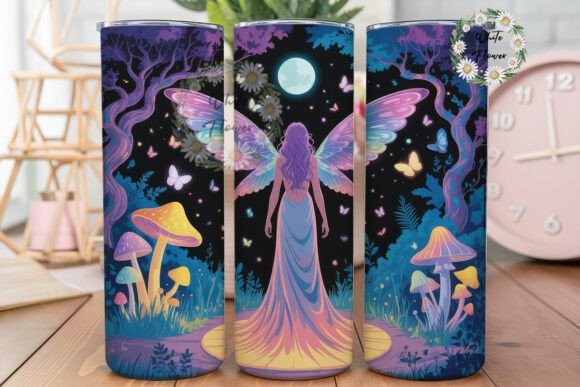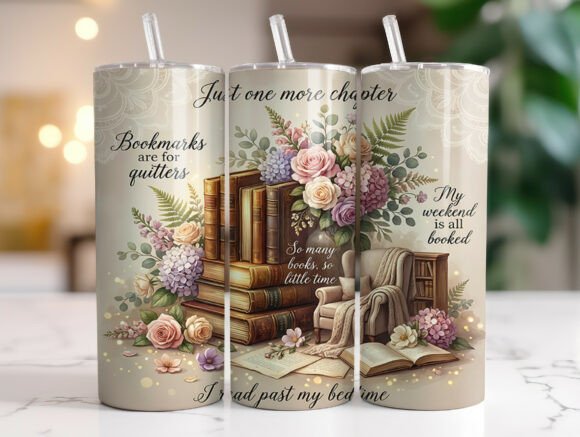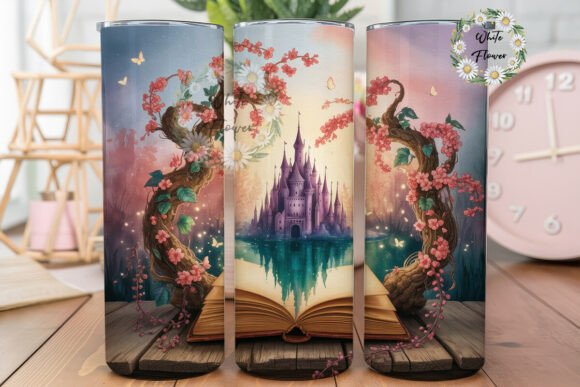
Review: Magical Enchanted Book 20oz Tumbler Design
As a designer who spends more time at the hoop than away from it, I approach every new digital embroidery file with a mix of curiosity and skepticism. We all know the feeling: you download a stunning graphic, digitize it (or purchase a pre-digitized version), and hope it translates well to thread. Today, I am evaluating the Magical Enchanted Book 20oz Tumbler design. While the product listing categorizes this under Tumbler Wraps and Graphics, my job is to look past the screen and imagine how this artwork behaves as a machine embroidery design on actual fabric.
The first impression of this design is one of whimsy and narrative depth. The concept of an "enchanted book" immediately suggests a fantasy theme, perfect for readers, teachers, or anyone who loves a bit of magic in their daily routine. Visually, the layout appears balanced, with the provided dimensions of 9.3 inches by 8.2 inches offering a substantial canvas. However, size alone does not guarantee success in embroidery. The real test lies in how the details hold up when converted from a 300 DPI raster image into satin stitch, fill stitch, and running stitch commands.
Visual Personality and Project Fit
The mood created by the Magical Enchanted Book 20oz Tumbler is undeniably cozy yet mysterious. It feels like something that belongs on a library tote or a warm hoodie worn during autumn reading sessions. When I visualize this as a finished product, I see it working exceptionally well for custom apparel aimed at niche markets. Think of a local bookstore looking for staff uniforms or a craft fair vendor selling personalized gifts for book clubs.
Because the design is not seamless, placement is critical. You are working with a defined rectangular area that needs to breathe. In a real-world scenario, I recently prepared a custom order for a client who wanted a unique sweatshirt embroidery piece for a holiday gift. She wanted something that wasn't just a name, but a statement. This design fits that bill perfectly. If applied to a large tote bag design, the intricate details of the "book" elements could become a focal point that draws the eye immediately. However, one must be careful not to crowd the design with other elements, as the enchantment lies in its singular presence.
Performance in Real-Life Embroidery Situations
Translating a graphic intended for a tumbler wrap into thread requires a keen understanding of stitch density and fabric texture. A 20oz tumbler wrap is printed on smooth, rigid material, but fabric moves, stretches, and has pile. Here is how I anticipate this design performing across various applications:
- Apparel and Sweatshirts: On a medium-weight cotton blend, the larger areas of the book cover would benefit from a dense fill stitch to ensure coverage. However, if the original graphic has fine gradients, these might need to be simplified into solid blocks of color to prevent the machine from overworking the fabric.
- Tote Bags and Canvas: This is likely the strongest use case. Canvas provides a stable base that can handle the weight of the stitching required for a design of this magnitude (9.3" x 8.2"). It makes for an excellent small shop product that feels premium.
- Patches and Appliqués: Creating an embroidered patch with this motif could be highly profitable. By using a satin stitch border and potentially an applique design technique for the book pages, you can add texture and dimension that a flat print cannot achieve.
- Home Decor: Imagine this on a pillow cover for a nursery or a reading nook. The "magical" theme aligns perfectly with baby embroidery projects or whimsical nursery decor.
For Etsy sellers and creative entrepreneurs, the versatility here is key. You aren't just selling a stitch-out; you are selling a vibe. Whether it is used for holiday embroidery gifts or wedding gifts for literary couples, the emotional connection drives the sale.
Critical Considerations for Execution
While the potential is high, there are technical hurdles to clear before hooping up. The instruction notes that you will need to size the design to 9.3" x 8.2" in your image editing software, and that two files are provided: one straight and one tapered. This tapering suggests the original intent was to wrap around a curved surface. In embroidery, we rarely deal with true 3D tapering in the same way, so you must decide which file version suits your flat or slightly curved fabric best.
Here are specific areas where caution is advised:
- Hoop Size Limitations: A width of 9.3 inches is large. Many standard home machines max out at a 5x7 or 6x10 hoop. You may need a multi-position hoop or a commercial frame to execute this in one go. If you have to split the design, registration marks are essential to ensure the "book" doesn't look broken in the middle.
- Fabric Choice: Avoid using this on thin, stretchy fabrics like jersey knits without significant stabilization. The stitch density required to render the details of an "enchanted" scene can cause puckering on unstable materials. Always use a high-quality stabilizer, perhaps even a cut-away for garments that will be washed frequently.
- Detail Loss: Small text or tiny magical sparkles in the graphic might vanish if the digitizing isn't precise. If you are converting this graphic yourself, simplify the small corners and decorative accents. If buying a pre-digitized file, check the preview for minimum stitch lengths.
- Thread Colors: The magic of this design relies on contrast. Ensure your thread colors pop against the fabric. A dark navy book on a black sweatshirt will disappear. Test the design in black and white mockups first to verify value contrast.
Enhancing Brand Value and Customer Trust
In the world of commercial embroidery and craft business, consistency is everything. Using a high-quality, well-thought-out design like the Magical Enchanted Book 20oz Tumbler elevates your brand. It signals to the customer that you care about the artistry, not just the output. A clean, crisp stitch-out builds customer trust and encourages repeat business.
When presenting this as a handmade product, the tactile nature of embroidery adds value that a printed tumbler wrap simply cannot match. The raised texture of the threads invites touch. For boutique branding, this kind of detail differentiates you from mass-market retailers. It turns a simple item into a keepsake.
Final Designer Notes and Best Practices
Before committing to a full production run or promising a deadline to a client, follow these practical steps:
- Test on Scrap: Always stitch a sample on the exact fabric you intend to use. What looks good on polyester might behave differently on cotton twill.
- Check Licensing: The description mentions the file is free of watermarks, but always confirm the license terms. Can you sell the finished product? Can you sell the design assets themselves? Clarity here protects your craft business from legal issues.
- Review File Formats: Ensure the file format matches your machine. Since the prompt mentions sizing in image editing software, verify if you are receiving a raster image to digitize or a ready-to-stitch embroidery file.
- Mockups Matter: Use printable mockups to show clients how the design will look on different colored garments before you stitch a single thread. This manages expectations and reduces waste.
In conclusion, the Magical Enchanted Book 20oz Tumbler design offers a rich opportunity for creative expression. It bridges the gap between digital graphics and tangible textile art. With careful attention to hoop size, stabilizer selection, and fabric compatibility, this design can become a standout piece in your portfolio. Whether you are an Etsy seller looking for your next best-seller or a hobbyist making a special gift, this design has the potential to enchant both the maker and the receiver. Just remember: in embroidery, preparation is the real magic.