Review: Pediatric Nurse 20oz Skinny Tumbler Wrap for Crafters
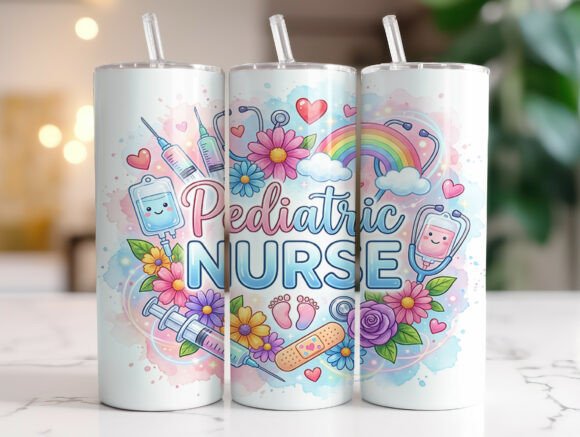
As a designer who spends more time at the hoop than away from it, I approach every new digital embroidery file with a mix of excitement and skepticism. We have all been there: you buy a design based on a slick thumbnail, only to find the stitch density is a mess or the details vanish once the needle hits the fabric. Today, I am taking a close look at the Pediatric Nurse 20oz Skinny Tumbler Wrap. While the product title suggests a sublimation or print application given the PNG format and specific dimensions, my goal is to evaluate its potential as a core graphic asset for custom apparel, patches, and mixed-media projects that an Etsy seller or boutique owner might actually want to sell.
First Impressions and Visual Personality
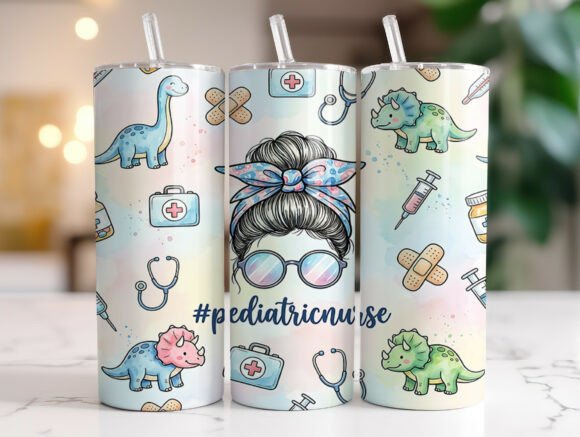
When I first pulled up the files for the Pediatric Nurse 20oz Skinny Tumbler Wrap, the immediate takeaway was the clarity of the layout. The design comes in two variations: one straight PNG and one tapered PNG, both rendered at a high resolution of 300 DPI with dimensions of 9.3″ x 8.2″. For those of us used to working with vector-based embroidery files, starting with a high-quality raster image is often the first step in creating a custom digitized project or using it as a reference for hand-embellishment.
The mood of the design is undeniably warm and professional. It captures the specific niche of pediatric care, which requires a balance of medical authority and approachable kindness. The visual personality feels soft yet structured, making it an ideal candidate for a personalized gift or a piece of small shop product inventory. Whether you are digitizing this yourself to create a machine embroidery design or using the graphic for a hybrid project involving heat transfer vinyl and stitching, the base artwork provides a solid foundation. The theme naturally lends itself to items that celebrate caregiving, making it perfect for graduation gifts, shift change surprises, or branding for a pediatric clinic's merchandise.
Real-World Application Scenarios
Let's move beyond the screen and talk about how this asset performs in a real-life scenario. Imagine you are preparing a custom order for a local hospital's annual appreciation week. You need to create a batch of embroidered patches that nurses can iron onto their scrubs or attach to their badge reels. Using the Pediatric Nurse 20oz Skinny Tumbler Wrap as your source image, you can trace the key elements to create a clean satin stitch outline with a fill stitch background. Because the original graphic is high resolution, tracing it for digitization ensures that the curves remain smooth and the proportions stay accurate.
Another practical use case involves creating a tote bag design for a nursing school cohort. Instead of just printing the image, imagine applique work where the main graphic is cut from felt or twill and then stitched down. The size of the original file (9.3″ x 8.2″) is generous enough to scale down for a chest pocket on a sweatshirt embroidery project or scale up slightly for a back-panel design on a canvas tote. For holiday embroidery projects, such as a Christmas ornament or a stocking cuff, the pediatric theme adds a touch of community spirit that resonates well with buyers looking for meaningful handmade products.
For the craft business owner, versatility is key. This graphic could serve as the centerpiece for a layered project. You might use the tapered version to create a mockup for a curved surface, like a mug wrap, while using the straight version to digitize a flat embroidery project for a pillow cover or kitchen towel. The ability to see how the design flows in both straight and tapered formats helps in planning the placement on various finished products, ensuring that the visual impact remains consistent whether it is on a flat tote or a rounded tumbler.
Technical Considerations and Fabric Choices
While the source file is excellent, translating a graphic of this nature into thread requires careful attention to detail. If you are digitizing this for commercial embroidery, you must consider the stitch density. Pediatric themes often include softer edges and perhaps some finer details that can get lost if the stitch count is too high or if the running stitch elements are too sparse. When working on textured fabrics like Terry cloth for towels or pique for polo shirts, the interaction between the thread and the fabric texture can alter the final look. A dense fill might cause puckering on lighter materials, so testing on scrap fabric is non-negotiable.
You also need to be mindful of the hoop size required. Although the original graphic is large, you will likely be scaling it down for most wearable applications. Ensure that your chosen hoop can accommodate the design without excessive re-hooping, which can lead to registration errors. For dark fabrics, you may need to adjust the thread colors to ensure sufficient contrast. A design that pops on a white background might disappear on navy blue scrubs unless you incorporate a backing layer or adjust the color palette during the digitizing phase. Additionally, when working on stretchy fabrics like performance scrub tops, using the right stabilizer is critical to prevent the design from distorting after the first wash.
Enhancing Brand Value and Customer Trust
In the world of handmade goods, presentation is everything. Using a high-quality base graphic like the Pediatric Nurse 20oz Skinny Tumbler Wrap elevates the perceived value of your custom apparel. Customers can tell the difference between a pixelated, low-effort design and one that has been carefully executed with precise stitching. This attention to detail builds customer trust and encourages repeat business. When a nurse receives a jacket or bag with a crisp, well-defined emblem, it reinforces the professionalism of the giver and the skill of the maker.
Furthermore, consistency in your design assets helps in building a recognizable brand. If you specialize in medical-themed gifts, having a library of high-resolution graphics that you can adapt into various applique design or embroidery formats allows you to maintain a cohesive look across your Etsy listings and craft fair displays. The professional finish of the final product speaks volumes about your commitment to quality, turning a simple transaction into a memorable experience for the buyer.
Practical Notes for Designers
Before you commit to production, here are a few essential steps to take. First, always test the design on scrap fabric that matches the weight and weave of your final material. Check the thread color contrast under different lighting conditions to ensure readability. Review the stitch density settings in your digitizing software to avoid unnecessary bulk, especially in small corners or detailed areas. Confirm that your hoop size aligns with the scaled version of the design you intend to use.
Inspect small details closely; tiny lettering or fine lines may need to be simplified or thickened to survive the embroidery process. It is also wise to test the design in black and white mockups to verify that the contrast holds up without relying on color. Compare how the design looks on both light and dark fabric backgrounds to anticipate any necessary adjustments. Always use the proper stabilizer for the specific garment type, whether it is cut-away for stability or tear-away for softer drape.
Finally, clarify the licensing terms. Since the Pediatric Nurse 20oz Skinny Tumbler Wrap is sold as a digital download with no physical product shipped, ensure you understand the rights regarding commercial use. Verify whether you are permitted to sell finished items like baby embroidery pieces or holiday gifts derived from this graphic, or if there are restrictions on reselling the digital file itself. Taking these precautions ensures that your creative journey is smooth, professional, and legally sound.